

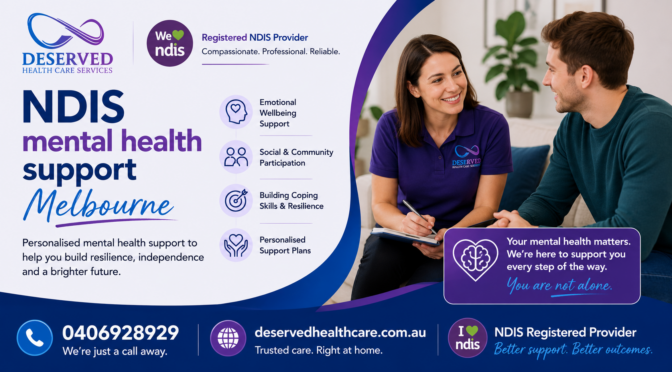
Living with disability brings unique challenges to your mental health journey. Recovery coaches provide essential support alongside professional care for participants. Working together creates a stronger foundation for sustainable wellness. These practical tips help you take control of your wellbeing today.
Understanding Your Wellness Goals
NDIS mental health support in Melbourne helps participants develop clear, achievable wellness objectives. Setting realistic goals with your recovery coach builds confidence. Start small with manageable changes in daily routines. Track your progress weekly to stay motivated and focused.
Key wellness areas to explore:
- Emotional regulation and stress management techniques
- Physical wellbeing through gentle movement
- Social connection and meaningful relationships
- Sleep quality and daily routine consistency
Building Healthy Daily Habits
Consistency matters more than perfection in mental wellness. Create a simple daily routine supporting your emotional resilience. Morning practices set a positive tone for each day. Your recovery coach helps refine habits that work best.
Start with these habits:
- Spend ten minutes on mindfulness or meditation practices
- Move your body in ways you enjoy
- Connect with one supportive person daily
- Write down three things you’re grateful for
Developing Coping Strategies
Mental health support services in Melbourne teach valuable coping techniques for difficult moments. Your recovery coach helps identify what triggers stress responses. Develop a personalised toolkit of strategies you can access. Practice these methods during calm times before needed.
Effective strategies include deep breathing techniques, grounding methods, and journaling for mental clarity. Find what resonates with your personal style and needs. Different situations require different coping tools and approaches. Build flexibility into your wellness strategy gradually.
Creating Accountability and Support Systems
Working with a recovery coach builds structured accountability for wellbeing goals. Regular check-ins keep you motivated and connected. Share wins and challenges openly with your support team. Strong relationships enhance overall mental health outcomes significantly.
Tell trusted people about your wellness journey and goals. Ask for support when you need it most. Celebrate small victories along the way with others. Mental health support in Melbourne strengthens when community involvement increases naturally.
Managing Setbacks With Self-Compassion
Progress isn’t always linear in mental health recovery. Setbacks happen to everyone pursuing wellness goals earnestly. Treat yourself kindly during difficult periods and moments. Your recovery coach helps reframe challenges as learning opportunities.
When facing setbacks, remember:
- One difficult day doesn’t erase your progress
- Self-compassion strengthens emotional recovery and resilience
- Asking for help shows genuine strength
- Recovery involves multiple small steps forward
Measuring Success Beyond Numbers
Success looks different for each person pursuing wellness. Notice improvements in sleep, mood, and energy levels. Track emotional wellbeing improvements through journaling or reflection. NDIS mental health support in Melbourne celebrates all forms of progress.
Small wins matter greatly in the bigger picture. Notice when you handle stress better than before. Recognise increased confidence in daily situations and interactions. Your recovery coach helps you see genuine improvement.
Conclusion
Taking actionable steps towards mental wellness is deeply personal. Working with a recovery coach transforms your approach to self-care. Mental health support services in Melbourne provide essential partnership support for growth. You deserve professional guidance supporting your mental health journey.
Your wellbeing matters deeply and deserves genuine professional support. Start your wellness journey today with recovery coaching assistance. Connect with dedicated professionals through reliable mental health support in Melbourne. Contact Deserved Health Care Services for comprehensive recovery coaching support.
- Phone: 0406928929
- Email: info@deservedhealthcare.com.au
- Website: https://deservedhealthcare.com.au/
Frequently Asked Questions
- What exactly does a recovery coach do?
Recovery coaches provide personalised guidance, accountability, and support towards your wellness goals. They work alongside you to develop practical coping strategies and healthy habits. - How often should I meet with my recovery coach?
Meeting frequency depends on your needs and NDIS plan. Regular sessions, whether weekly or fortnightly, maintain consistency and progress. - Can recovery coaching help with anxiety and depression?
Yes, recovery coaches support emotional wellbeing through practical strategies. They complement professional mental health services for comprehensive care. - What if I don’t see results immediately?
Mental wellness is a gradual process requiring patience and consistency. Small improvements accumulate into significant changes over time. - How do I choose coping strategies that work for me?
Your recovery coach helps identify what resonates with your personality. Testing different techniques reveals what works best for you. - Is recovery coaching only for people with serious mental health conditions?
No, recovery coaching benefits anyone seeking to improve emotional wellbeing. Everyone deserves support in their wellness journey. - What should I discuss in my first recovery coach session?
Share your wellness goals, challenges, and what you hope to achieve. Honest communication helps your coach provide better support. - How can I stay motivated between coaching sessions?
Set small weekly goals, track progress, and celebrate achievements. Keeping a wellness journal helps maintain focus between appointments. - Can I work with a recovery coach while seeing a therapist? Absolutely, recovery coaching complements therapy perfectly. Both professionals work towards your overall mental health and wellbeing.
- What if my recovery goals change over time?
That’s completely normal and healthy. Your recovery coach adapts strategies as you grow and your needs evolve naturally.

